
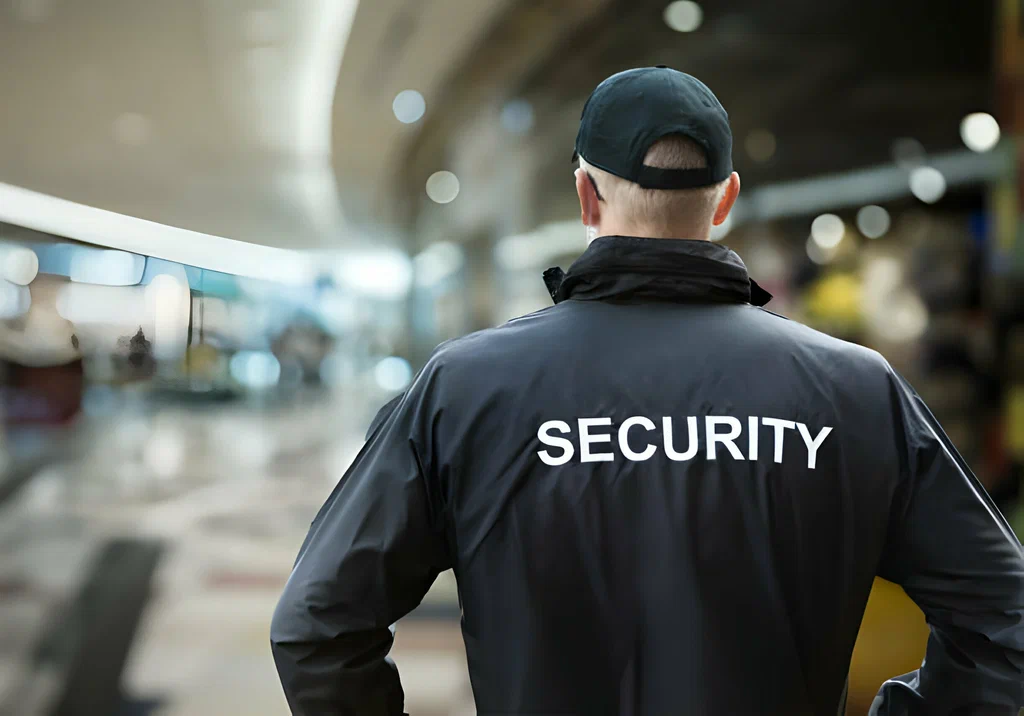
The Illusion of Safety in a Camera-Only World
Retail environments are dynamic and vulnerable. While surveillance cameras have become ubiquitous in retail stores, relying solely on this technology may create a false sense of security. Cameras are great for documentation and deterrence, but they can’t act in real time, respond to threats, or provide human judgment. That’s where professional security guards come in. In this article, we delve deep into the indispensable role that security guards play in retail settings and why they’re critical alongside modern surveillance systems.
1. The Human Factor: Why Presence Matters
Security guards offer what cameras cannot: a human presence. This alone can be a powerful deterrent to potential shoplifters or those contemplating criminal behavior. Unlike cameras, guards can:
- Intervene immediately during a threat
- De-escalate volatile situations
- Provide comfort to customers and employees
Having trained personnel on-site creates a proactive approach to safety, versus the passive recording function of CCTV systems.
2. Real-Time Threat Response
When a crime occurs, time is of the essence. Security guards can:
- Intervene in thefts or suspicious activity as it happens
- Call law enforcement immediately and provide real-time updates
- Secure exits and prevent escape
Surveillance footage is often used after the fact to identify culprits, but it does little to stop a crime in progress. A well-trained security officer can act swiftly to neutralize threats and reduce damage.
3. Enhancing Customer Experience and Confidence
Retail isn’t just about products; it’s about experience. Customers feel more secure and at ease when they know professionals are watching over them. Security guards:
- Greet and assist customers, enhancing hospitality
- Provide directions or escort customers when needed
- Help in emergency evacuations
A uniformed guard adds a level of professionalism that builds trust and encourages repeat business.
4. Loss Prevention Beyond the Obvious
Shoplifting and theft are major concerns, but they aren’t the only risks. Internal theft by employees is a growing issue in many retail environments. Security guards:
- Monitor both customer and employee behavior
- Conduct random checks and surveillance
- Collaborate with management to maintain operational integrity
Their presence encourages ethical behavior and adds another layer of oversight.
5. Emergency and Crisis Management
From medical emergencies to natural disasters, security guards are trained in first response. Their roles may include:
- Administering CPR or first aid
- Managing crowd control during evacuations
- Communicating with emergency responders
In critical situations, having someone trained to handle emergencies can save lives and reduce panic.
6. Reducing Vandalism and Property Damage
Retail locations often fall prey to vandalism, especially after hours. Cameras may catch footage, but guards can:
- Patrol the premises and deter vandals
- Investigate suspicious activity in real-time
- Alert authorities before major damage occurs
Their proactive approach ensures better protection of property and inventory.
7. Adaptability and Custom Security Protocols
Every retail store is unique in its layout, clientele, and risk factors. Security guards can be trained to:
- Understand store-specific policies
- Use judgment tailored to the environment
- Execute custom protocols during events or peak hours
This adaptability makes them an invaluable asset over a one-size-fits-all camera system.
8. Supporting Store Staff and Management
Security guards don’t just protect—they support. They take the burden of safety off store employees, allowing them to focus on customer service. Guards can assist in:
- Handling irate or aggressive customers
- Conducting bag checks or enforcing store policies
- Escorting staff during late-night shifts
This partnership improves morale and promotes a safer work environment.
9. Cost Efficiency in the Long Run
Hiring security personnel may seem like a larger upfront cost compared to installing cameras. However, the long-term ROI often includes:
- Reduced losses from theft
- Lower insurance premiums
- Fewer legal liabilities
When you account for the potential cost of a single major incident, the investment in professional security is justified.
10. Complementing Technology, Not Replacing It
The best security strategies combine human intelligence with advanced technology. Security guards and cameras should work together to:
- Monitor blind spots and cover more ground
- Review footage for suspicious patterns
- Coordinate with alarm systems and access control
This hybrid approach enhances both prevention and resolution.
Retail environments demand more than passive observation—they require proactive protection. Security cameras have their place, but they should never be your only line of defense. Security guards provide real-time response, customer reassurance, and operational support that technology alone can’t match.
By integrating skilled personnel into your retail security strategy, you not only deter crime but also build a trustworthy, safe, and professional shopping experience. In today’s evolving risk landscape, the smartest move is combining human vigilance with digital surveillance. Your bottom line—and your peace of mind—depend on it.